
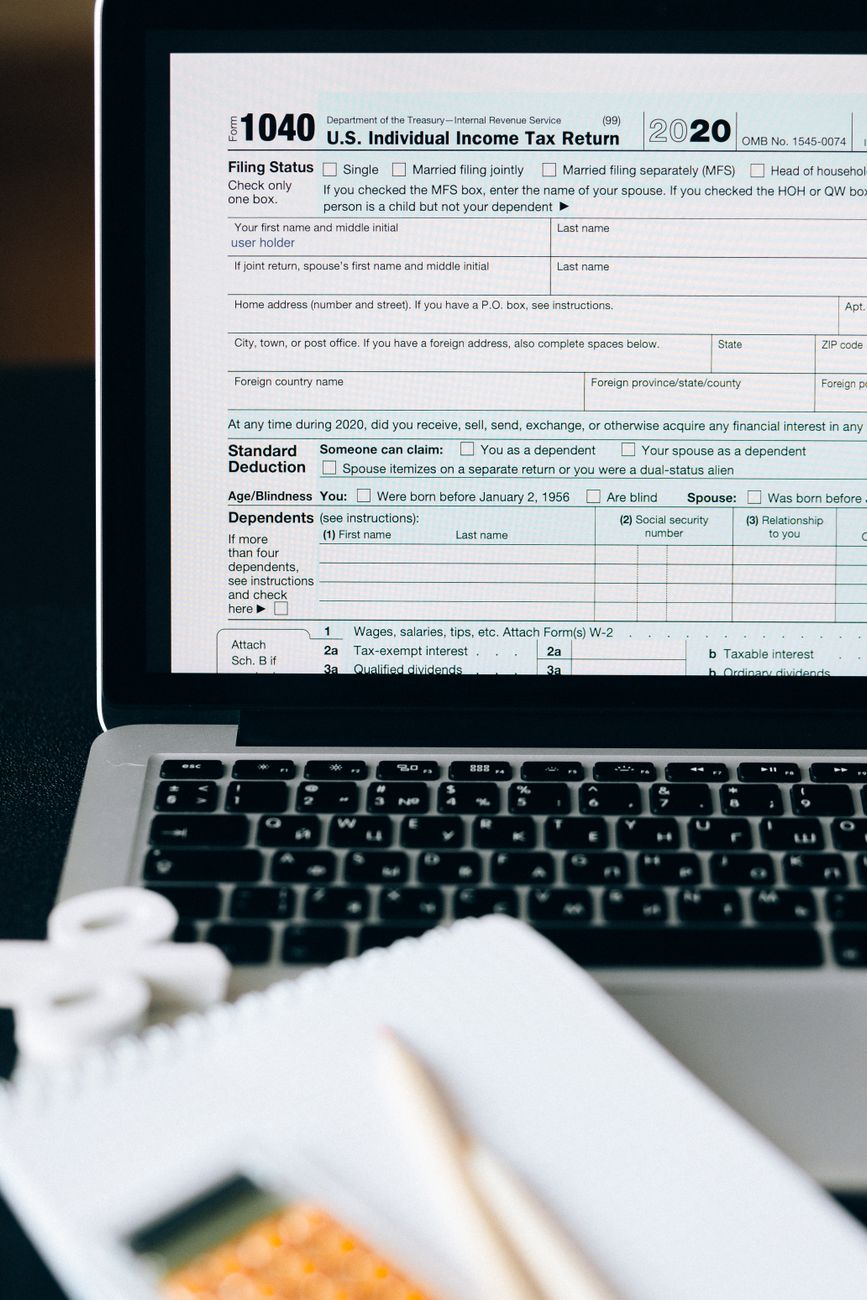
Tax season has a way of feeling far away—right up until your inbox fills with forms and you cannot remember which drawer holds the receipts. September is a much calmer time to get organized.
Remote work can make taxes feel confusing because “working from home” describes very different situations. A W-2 employee, an independent contractor, and someone with both types of income may have completely different filing needs.
The best tax-prep move is not finding a magical deduction. It is knowing what kind of worker you are and keeping clean records.
Start by sorting your income
- W-2 employee: your employer generally withholds federal income tax from each paycheck.
- Independent contractor or freelancer: taxes usually are not withheld for you, and estimated tax payments may apply.
- Both: a full-time job plus freelance or gig income can change how much you need withheld or paid during the year.
Create one folder—digital, paper, or both—for pay records, invoices, payment-platform reports, business receipts, estimated-tax confirmations, and notices. Use clear filenames such as “2026-09 software receipt” instead of leaving everything in Downloads.
W-2 remote employees: check your withholding
The IRS Tax Withholding Estimator can help W-2 employees estimate whether the right amount is coming out of their pay. The IRS recommends having recent paystubs and your latest federal return available. You may also need records for other income and expenses if you expect adjustments or itemized deductions.
A withholding check matters after a new job, major income change, marriage, divorce, birth or adoption, or home purchase. If the estimate suggests a change, the tool can generate a pre-filled Form W-4 to provide to your employer.
Freelancers and contractors: do not wait for the 1099
Track gross income as it arrives—even if a client never sends a form. Keep business and personal spending separate when possible, and record what each expense was for. Self-employed workers may need to make estimated federal tax payments during the year.
The home-office deduction is often misunderstood. Current IRS Publication 587 for 2025 returns explains that qualifying business use generally must be regular and exclusive, with specific rules and exceptions. It also explains where self-employed people report the deduction and how the simplified and actual-expense methods work.
Do not assume that owning a laptop and answering email from the couch automatically creates a deduction. Eligibility depends on your work status, how the space is used, and current federal and state rules.
Remote across state lines? Flag it now
If you lived in one state while working for an employer based in another—or moved during the year—your state filing situation may require extra attention. Rules vary widely. Save dates, addresses, employer documents, and any records showing where you physically worked, then consult the relevant state tax agencies or a qualified professional.
Your fall tax-prep checklist
- Download year-to-date paystubs and confirm your name, address, and withholding.
- List every freelance client, platform, or side-income source.
- Organize receipts and add a short business-purpose note while you still remember it.
- Confirm estimated-tax payments and keep the confirmation numbers.
- Back up important records somewhere secure.
- Review your mailing address with employers and clients before forms are issued.
- Schedule professional help early if you changed states, started a business, or have complicated income.
Protect yourself from tax scams
The IRS Tax Withholding Estimator does not ask for your name, Social Security number, address, or bank-account information, and it does not save your entries. Be skeptical of messages demanding immediate payment, gift cards, cryptocurrency, or sensitive data through an unexpected link.
The StayHomeHire takeaway
Working from home can save commuting time. Use a small piece of that time now to build a clean tax folder, review withholding, and separate business records. Future-you will be grateful.
This article is general educational information, not individualized tax advice. Federal and state rules can change, so verify current guidance or speak with a qualified tax professional about your situation.
Sources
Official guidance: IRS Tax Withholding Estimator and IRS Publication 587, Business Use of Your Home, for 2025 returns.