
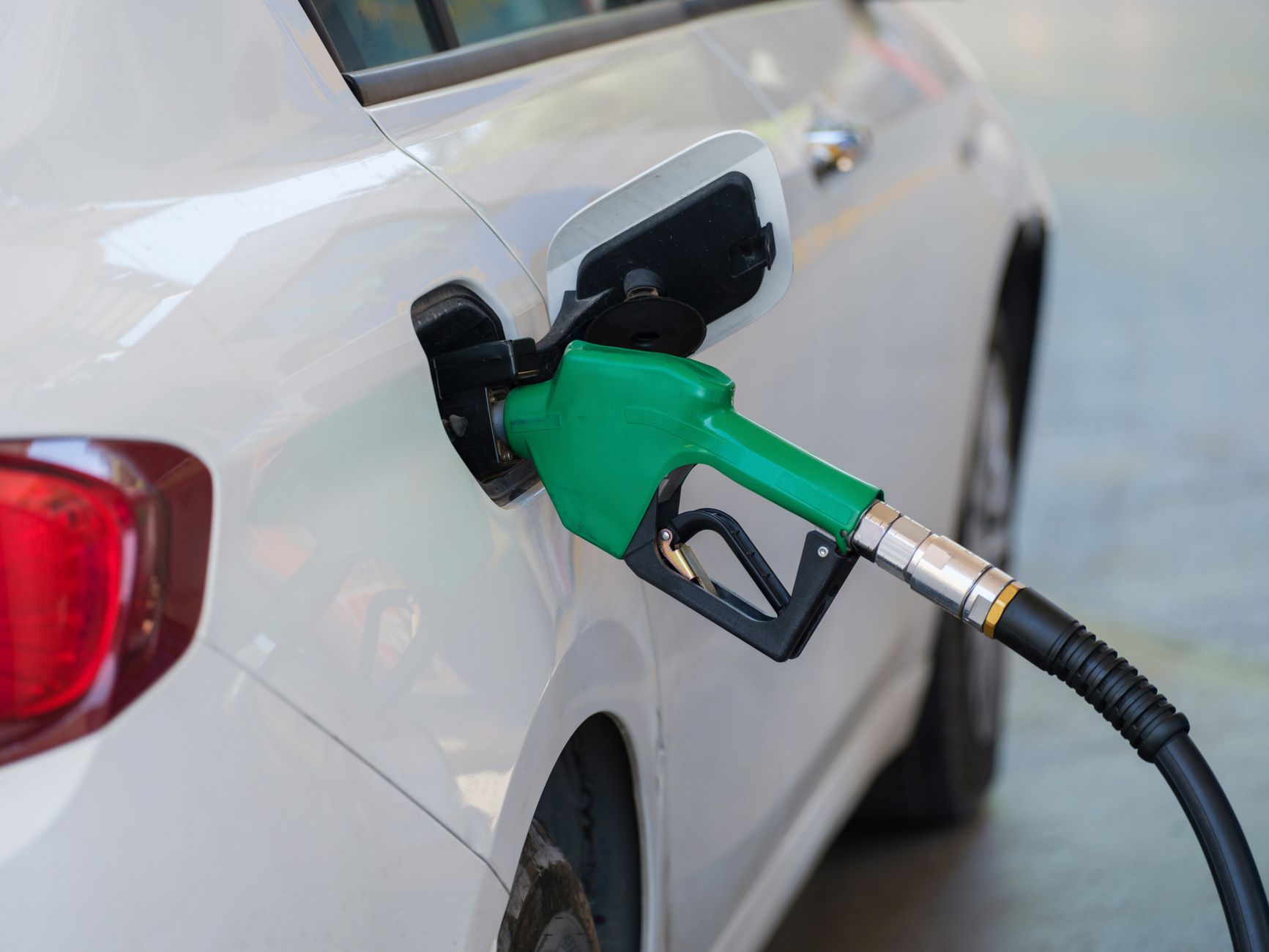
The number on the gas-station sign is starting to feel personal again. The U.S. average for regular gasoline reached $4.319 per gallon for the week of September 14, according to the U.S. Energy Information Administration. That was 16.2 cents higher than the week before and $1.151 higher than a year earlier.
At the same time, the latest inflation report showed gasoline prices jumping 3.9% in August. Gas alone accounted for more than one-third of the monthly rise in consumer prices. Translation: if your commute suddenly feels more expensive, you are not imagining it.
Working from home does not just save a drive. It gives you control over a bill that can change before your next paycheck arrives.
What one ordinary commute can cost
Picture a 30-mile round trip in a vehicle that gets 25 miles per gallon. Five commuting days use about six gallons of gas a week. At $4.319 per gallon, that is roughly $26 a week or $112 a month for gasoline alone.
That estimate does not include oil changes, tires, parking, tolls, repairs, or the coffee you buy because traffic started before sunrise. A three-day hybrid commute would still cost about $67 a month in gas under the same assumptions. Your actual cost will vary, but the point is simple: the commute is a recurring expense, not background noise.
The hidden raise nobody puts on the offer letter
A remote job with the same salary can leave more money in your account because fewer dollars are required just to show up. It can also return hours to your week. If your round-trip commute is 45 minutes, eliminating it five days a week gives you nearly four hours back.
That time can become sleep, meal prep, coursework, a side business, family time, or simply a calmer start. The value is bigger than “working in pajamas.” It is flexibility you can actually measure.
Put the savings to work on purpose
- Calculate your real commute: gas, parking, tolls, maintenance, and the food or drinks you regularly buy on the road.
- Compare offers by take-home value: a slightly higher office salary may not win after commuting costs are included.
- Redirect the difference: automate even part of the savings into an emergency fund, debt payment, or retirement account.
- Ask about hybrid options: one or two home days can still make a noticeable difference.
- Search with location rules in mind: “remote” can still mean approved states, time zones, or occasional travel.
Remote work is not free—but it can be cheaper
A home office has costs: reliable internet, electricity, equipment, and sometimes childcare. The honest comparison is not “office costs versus zero.” It is your specific commute costs versus your specific home-work costs.
For many workers, fewer trips still come out ahead—especially when fuel spikes. That is why a remote or hybrid option can function like a quiet raise: not because the employer pays more, but because earning the paycheck requires less spending.
The StayHomeHire takeaway
If the pump is draining your budget, treat remote work as a financial strategy, not just a lifestyle preference. Update your résumé, target legitimate remote employers, and calculate what each avoided commute is worth to you.
Your next raise may not arrive as a bigger number on the paycheck. It may arrive as fewer miles between you and your work.
Sources
Data: U.S. Energy Information Administration weekly gasoline prices and U.S. Bureau of Labor Statistics Consumer Price Index, August 2026.