
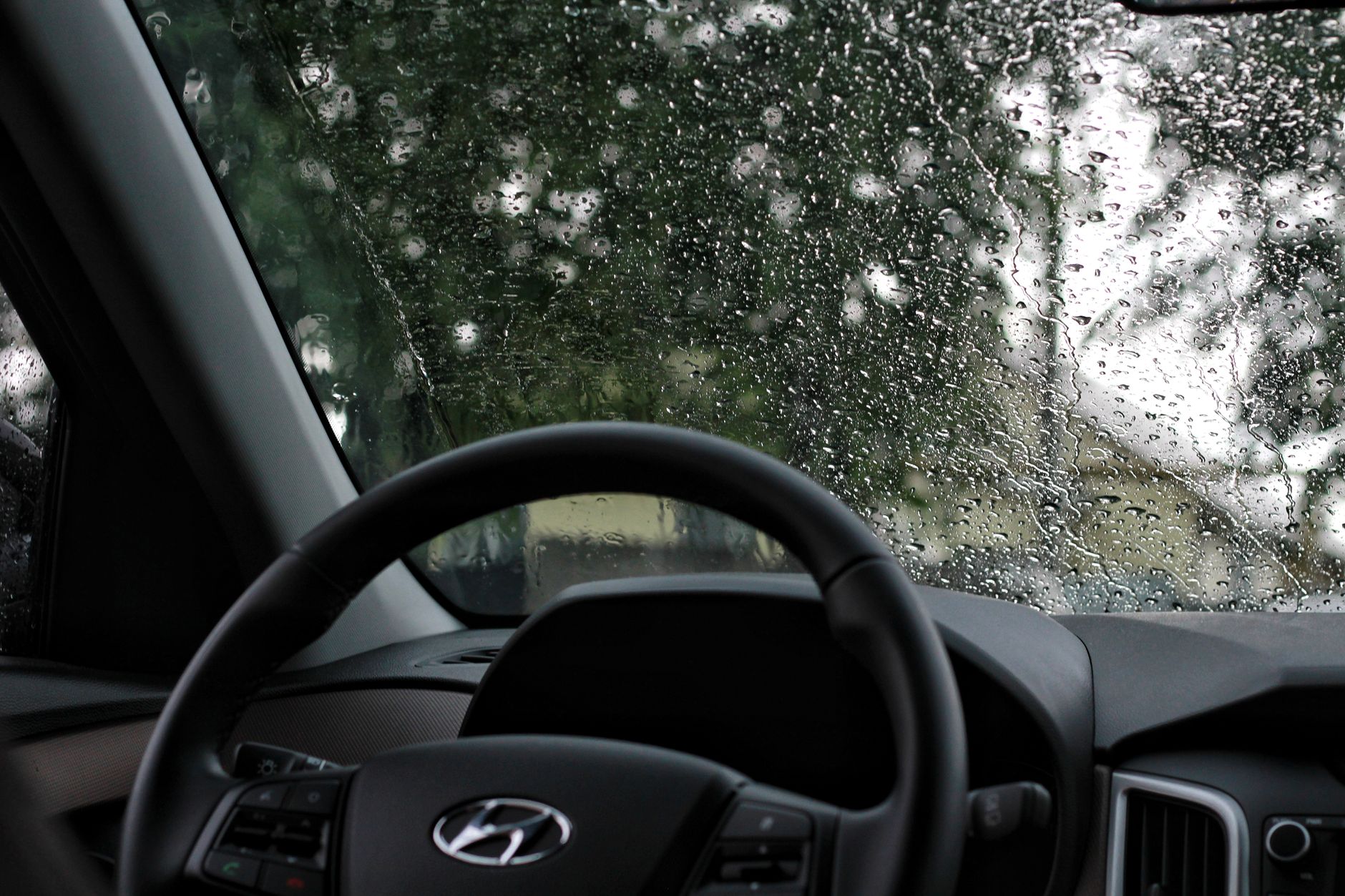
Some commutes are annoying. Others are genuinely unsafe. The National Weather Service is warning about dangerous heat and heavy rain with possible flooding into the weekend. Heat and humidity are affecting areas from northeast Texas toward the mid-Mississippi Valley, while heavy rain brings flood concerns from the Central Plains into the Upper Midwest, Great Lakes, and parts of the Four Corners.
For workers who can do their jobs remotely, a home-work option can remove one unnecessary risk: getting on the road simply to sit at a computer somewhere else.
Weather does not care whether the meeting was marked “in person.” Safety should still come first.
The commute is part of the workday—even when payroll ignores it
Extreme heat can strain vehicles and people. Heavy rain can reduce visibility, hide standing water, and turn a familiar route into a dangerous one. Public transportation can be delayed, schools may close, and the trip home may be worse than the morning forecast suggested.
Remote work cannot stop the storm. It can reduce exposure, give people more time to respond to alerts, and help some businesses continue operating without asking employees to gamble on the roads.
But “just work from home” is not a complete plan
Severe weather can knock out power, internet, and cell service. It can also close childcare, displace families, and make normal productivity impossible. A useful remote-work policy leaves room for reality instead of pretending every home is a perfect backup office.
Build a weather-ready WFH kit
- Turn on local alerts: follow the National Weather Service and your city or county emergency-management updates.
- Charge before the warning: keep laptops, phones, and power banks ready before conditions deteriorate.
- Know your hotspot plan: test it in advance and understand the data limits.
- Save essentials offline: download contact lists, schedules, and documents you may need if cloud access drops.
- Protect your equipment: use surge protection and keep electronics away from windows or flood-prone areas.
- Set a communication rule: know who to contact, how to report an outage, and when safety overrides availability.
Managers: flexibility works better when it is decided early
Waiting until roads are already flooding to approve remote work defeats the point. When the forecast is credible and the job can be done from home, communicate the plan early. Clarify expectations, reschedule nonessential meetings, and give employees a simple way to report outages or emergency needs.
A weather-ready team is not one that pretends nothing happened. It is one that knows what matters most, what can wait, and how to stay connected without adding pressure during a crisis.
Remember the workers who cannot stay home
Healthcare, utilities, emergency response, delivery, hospitality, manufacturing, and many other jobs require people on-site. Talking about WFH benefits should never erase them. Employers should pair remote options for eligible roles with safe scheduling, clear emergency policies, and meaningful support for essential workers.
The StayHomeHire takeaway
Remote work is often sold as convenience. During dangerous weather, it can become resilience. It can keep cars off risky roads, preserve time for emergency preparation, and help work continue when travel should not.
The best commute during a flood warning may be the ten steps between your kitchen and your desk.
Source
Current conditions and alerts: National Weather Service, accessed September 17, 2026. Always follow your local forecast and emergency instructions.