
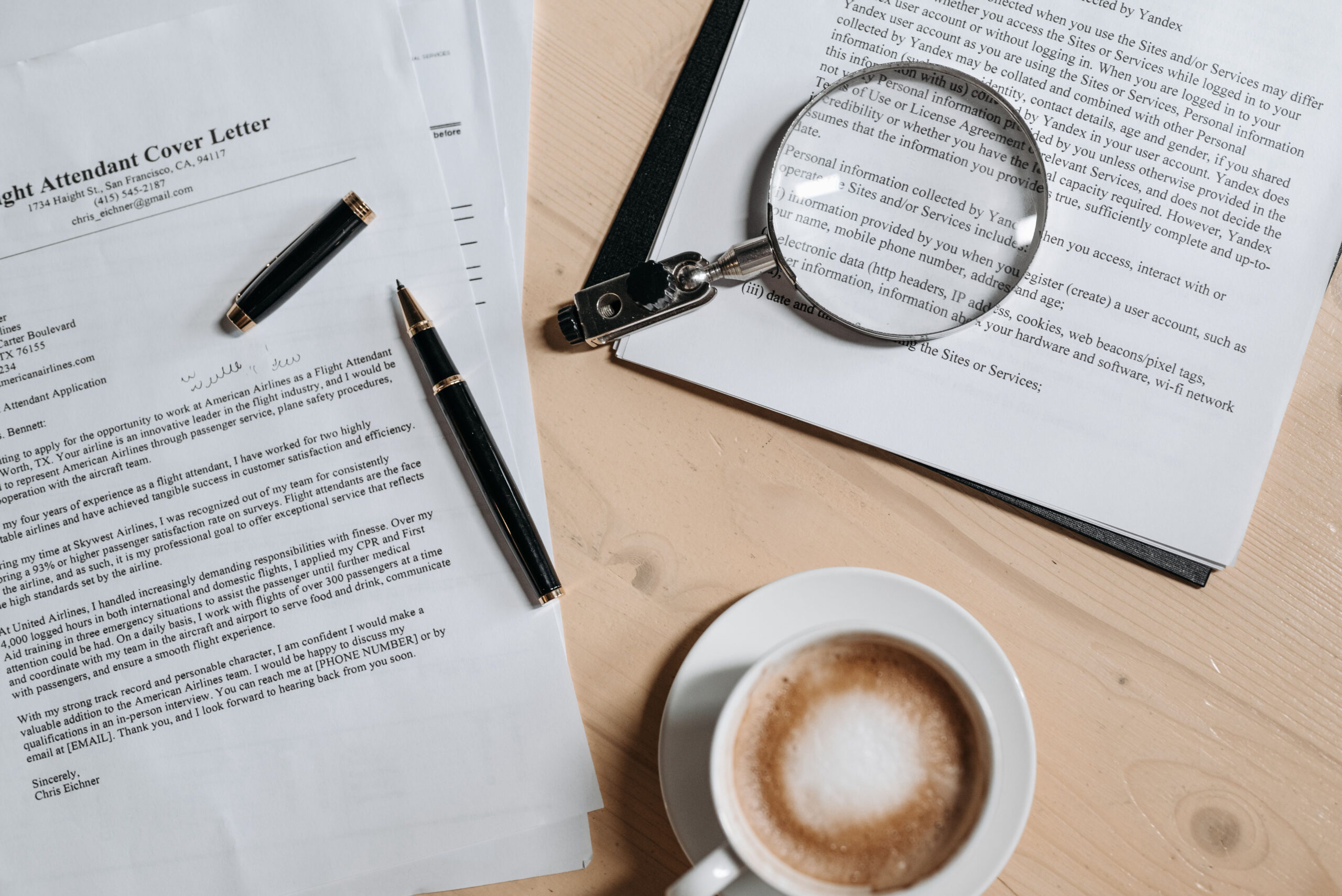
Applying for a remote job often comes with a common question: Do I really need a cover letter?
Some employers require one, some make it optional, and others do not mention it at all. A strong cover letter can help your application stand out, but sending one is not always necessary.
Before deciding whether to include one, it is important to understand what a cover letter is, what it is used for, and when it can actually improve your chances of getting an interview.
What Is a Cover Letter?
A cover letter is a short document submitted with your resume. It introduces you to the employer and explains why you are interested in the position.
Your resume lists your work history, education, skills, and accomplishments. Your cover letter gives you room to connect those qualifications directly to the job.
A cover letter is usually no longer than one page.
It is also important to know that a cover letter is not the same as a cover page. A cover page is normally placed at the beginning of a report, portfolio, or formal document. For a job application, employers are usually asking for a cover letter.
What Is the Purpose of a Cover Letter?
The purpose of a cover letter is to provide information that may not be obvious from your resume.
A cover letter can help you:
- Introduce yourself to the hiring manager.
- Explain why you want the position.
- Highlight your most relevant experience.
- Connect your skills to the employer’s needs.
- Explain a career change or employment gap.
- Mention a professional referral.
- Show your written communication skills.
- Demonstrate that you researched the company.
For remote jobs, you can also use your cover letter to mention experience with virtual communication, working independently, managing your time, assisting customers remotely, or using online workplace tools.
When You Should Include a Cover Letter
The Employer Requires One
Always include a cover letter when the job posting specifically asks for one.
Employers may use this requirement to see whether applicants can read and follow instructions. Leaving it out could cause your application to be rejected before your resume is reviewed.
The Cover Letter Is Optional
When a cover letter is optional, submitting a personalized one may help you stand out.
This is especially useful when you are highly interested in the position or when your experience closely matches the job requirements.
However, an optional cover letter should still be customized. A generic letter that could be sent to any company is unlikely to strengthen your application.
You Are Changing Careers
A cover letter can help explain why you are applying for a job in a different industry.
For example, someone moving from retail into remote customer service could highlight transferable skills such as:
- Resolving customer concerns.
- Handling payments.
- Communicating professionally.
- Managing multiple responsibilities.
- Working in a fast-paced environment.
Your cover letter helps the employer understand how your previous experience relates to the new position.
You Have an Employment Gap
You do not need to share private details, but a brief explanation may provide helpful context.
You can state that you took time away from work for caregiving, education, relocation, personal responsibilities, or another reason and are now prepared to return to the workforce.
Keep the explanation brief and focus on your readiness for the job.
Someone Referred You
Include a cover letter when a current employee, recruiter, former coworker, or professional contact referred you to the position.
Mention the referral near the beginning of the letter, but make sure you have permission to use the person’s name.
Your Resume Does Not Tell the Full Story
Job titles do not always show everything a person did in a position.
You may have customer service, sales, scheduling, data entry, training, or administrative experience even if those responsibilities were not included in your official job title.
A cover letter lets you bring attention to that relevant experience.
You Have a Strong Interest in the Company
A cover letter can be helpful when you have a genuine reason for wanting to work for a specific employer.
You may be familiar with the company’s services, support its mission, use its products, or have experience in its industry.
Explaining that connection can make your application appear more intentional.
When You Can Skip the Cover Letter
The Employer Says Not to Include One
Do not submit a cover letter when the employer specifically says not to include one.
Sending extra documents does not always show initiative. In this situation, it may show that you did not follow the application instructions.
There Is No Place to Upload One
Some online applications only provide a space for your resume.
Do not upload a cover letter in the resume section unless the application allows you to combine both documents or specifically says you may submit additional materials.
The Application Uses Screening Questions
Some employers ask applicants to answer questions about their experience, availability, skills, or interest in the position.
These responses may serve a similar purpose to a cover letter. Avoid repeating the same information unless a separate letter is required.
You Would Only Submit a Generic Letter
A generic cover letter can make your application feel rushed or impersonal.
Avoid statements such as:
I am a hardworking person applying for a position with your company. I believe I would be a great fit.
This does not explain which position you want, why you are qualified, or what you can contribute.
When a cover letter is optional, it may be better to submit a strong resume than a poorly written or generic letter.
You Are Completing a Quick Application
Some employers use short applications that only ask for basic contact information, availability, and work history.
A cover letter may not be needed during this early stage. The employer may request more information later.
What Should You Include in a Cover Letter?
A good cover letter should include four basic sections.
A Clear Introduction
State the name of the position and briefly explain why you are interested.
Your Most Relevant Qualifications
Choose two or three skills or experiences that match the job description.
Whenever possible, provide a specific example instead of making a general claim.
Instead of writing:
I have excellent customer service skills.
Try writing:
In my previous position, I assisted customers by phone and email, documented account activity, and resolved billing and service concerns.
Your Connection to the Position
Explain how your background could help the employer.
Focus on what you can contribute instead of only discussing what you hope to gain from the job.
A Professional Closing
Thank the employer for reviewing your application and express your interest in discussing the position.
Should You Use the Same Cover Letter for Every Job?
You can create a basic cover letter template, but you should not submit the exact same letter for every application.
Update the following information each time:
- Company name.
- Position title.
- Relevant skills.
- Work examples.
- Reason for applying.
- Hiring manager’s name, when available.
Carefully review the job description and identify the qualifications the employer mentions most often. Use your letter to show how your experience matches those needs.
Common Cover Letter Mistakes to Avoid
Before submitting your cover letter, check for these common mistakes:
- Using the wrong company name.
- Listing the wrong job title.
- Repeating your entire resume.
- Writing more than one page.
- Including unnecessary personal information.
- Focusing only on what you want.
- Using the same generic letter for every application.
- Making claims without examples.
- Forgetting to proofread.
- Submitting the document with an unprofessional file name.
Use a simple file name such as:
FirstName-LastName-Cover-Letter.pdf
Final Thoughts
A cover letter is not necessary for every job application, but it can be valuable when it adds important context to your resume.
Include one when the employer requires it, when you are changing careers, when you need to explain an employment gap, when someone referred you, or when you can clearly connect your experience to the position.
Skip it when the employer says not to include one, the application does not accept one, or you would only be submitting a generic letter.
The goal of a cover letter is not to repeat your resume. It is to help the employer understand why your skills, experience, and interest make you a strong candidate for the job.
At Stay Home Hire, we help job seekers find remote opportunities and prepare stronger applications. Always read the complete job posting, follow the employer’s instructions, and customize your application materials before applying.